The Wise and Foolish Builders
24 “Therefore everyone who hears these words of mine and puts them into practice is like a wise man who built his house on the rock. 25 The rain came down, the streams rose, and the winds blew and beat against that house; yet it did not fall, because it had its foundation on the rock. 26 But everyone who hears these words of mine and does not put them into practice is like a foolish man who built his house on sand. 27 The rain came down, the streams rose, and the winds blew and beat against that house, and it fell with a great crash.” (Matthew 7:24-27 NIV)
This parable is located at the end of the Sermon on the Mount which begins in Matthew chapter 5. The sermon includes some of the best-known teachings of Jesus, such as the Beatitudes and the Lord’s Prayer. Jesus covers many topics, emphasizing how Christian character is to be different from those who place their trust on self and worldly gain.
In this parable, Jesus used the analogy of different foundations upon which to build a house to illustrate the importance of not just knowing about Him but following Him and His teachings. Thirteen times in the Gospels, Jesus said, “Follow me.” He used these two words to call Peter, Andrew, James and John as his disciples. Those who followed Jesus, built their foundation on His words and actions. They did not build up earthly treasures. They surrendered all and chose Jesus as their foundation. This foundation kept them strong during persecution and even up to their death. The “winds and the flooding rain” did not shake their faith.
This parable is also recorded in Luke 6: 20-49. Verses 46-49, contains four words that add another dimension to the parable. Referring to the wise builder, Jesus said 48 “They are like a man building a house, who dug down deep and laid the foundation on rock. When a flood came, the torrent struck that house but could not shake it, because it was well built.”
I have a friend who teaches these Scriptures with the story of when his father had a well professionally installed on their family property in the country. His family would often take trips to the country to picnic and enjoy the woods, but they had to haul water. On the day that the well was dug, three times the drillers stopped and ask his dad if he wanted them to go deeper. Even though it meant more time and more money, his dad always said, “Yes.” Finally, late in the afternoon, the well drillers hit water! But it was not just a pool of water, it was an ever-flowing steam of fresh water. The family well never ran dry!
If you live in the eastern part of the United States, from New York south to Georgia, chances are that you have heard the clicking, high pitched buzzing of Brood X, 17-year cicadas. And if you look at the trunks of the trees and lower branches and leaves and the ground below, they are covered with empty shells or exoskeletons.
Cicadas like all insects must molt, or shed their exoskeleton as they grow. The cicada nymphs crawl out of the ground where they have spent the last 17 years feeding on juices from tree and shrub roots. They crawl up a tree and molt for the final time. The nymphs are white until their exoskeleton hardens. This is the most vulnerable molting stage because the others occurred underground. Birds, squirrels, and many other animals enjoy this periodic feast! The surviving adults mate, and the female deposits the fertilized eggs into tree branches. Six weeks later, the nymphs hatch out of the eggs, fall to the ground and burrow about two feet underground and start feeding on tree roots. Like clockwork, the Brood X, 17-year cicadas will emerge in 2038!

Cicada nymph shedding its exoskeleton, completing final molt

Adult female cicada laying eggs into the tree branch
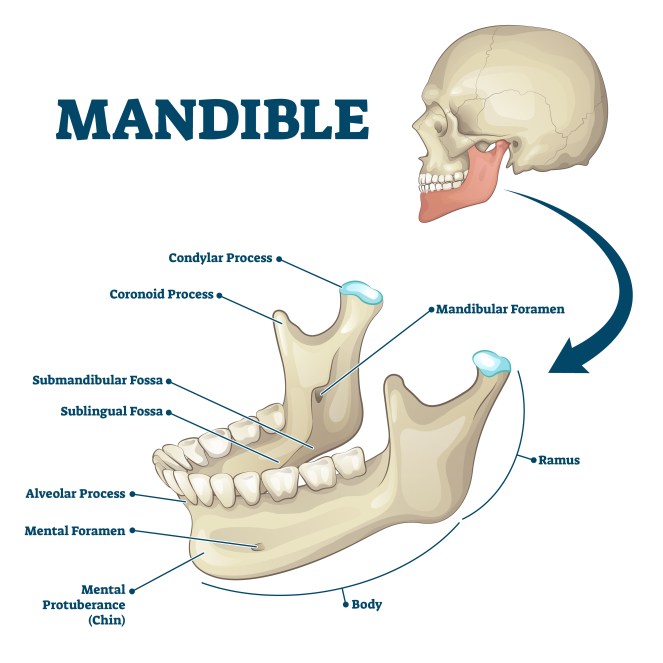
So, what do houses built on a rock and cicadas have to do with the human body? Well, the human skeleton, of course! Humans are created with an endoskeleton, which grows internally as the body grows. There is no need for molting. This endoskeleton, the foundation of the human body is composed of 206 bones. Various shapes, size, and thickness, created specifically for a purpose. The lower jaw, or mandible, is the largest bone in the human skull. It is curved and shaped like a horseshoe. It holds the lower teeth in place and moves to allow chewing.
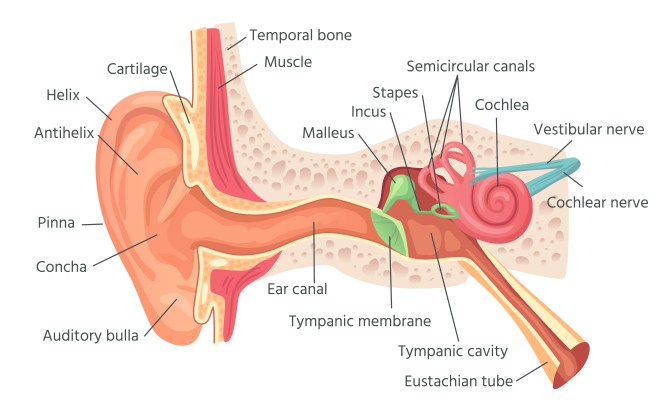
The stapes is the smallest bone in the human body. It is shaped like a stirrup and along with two other bones, the malleus (hammer) and incus (anvil), conduct sound in the inner ear.
The ribs are flat, curved bones that form the ribcage. The twelve pairs of ribs They are strong enough to support the skeleton and protect the vital organs in the chest cavity, including the heart, lungs, and spleen. The rib cage also assists in the inhalation and exhalation phases of human respiration. And yes, both males and females have twelve pairs of ribs.
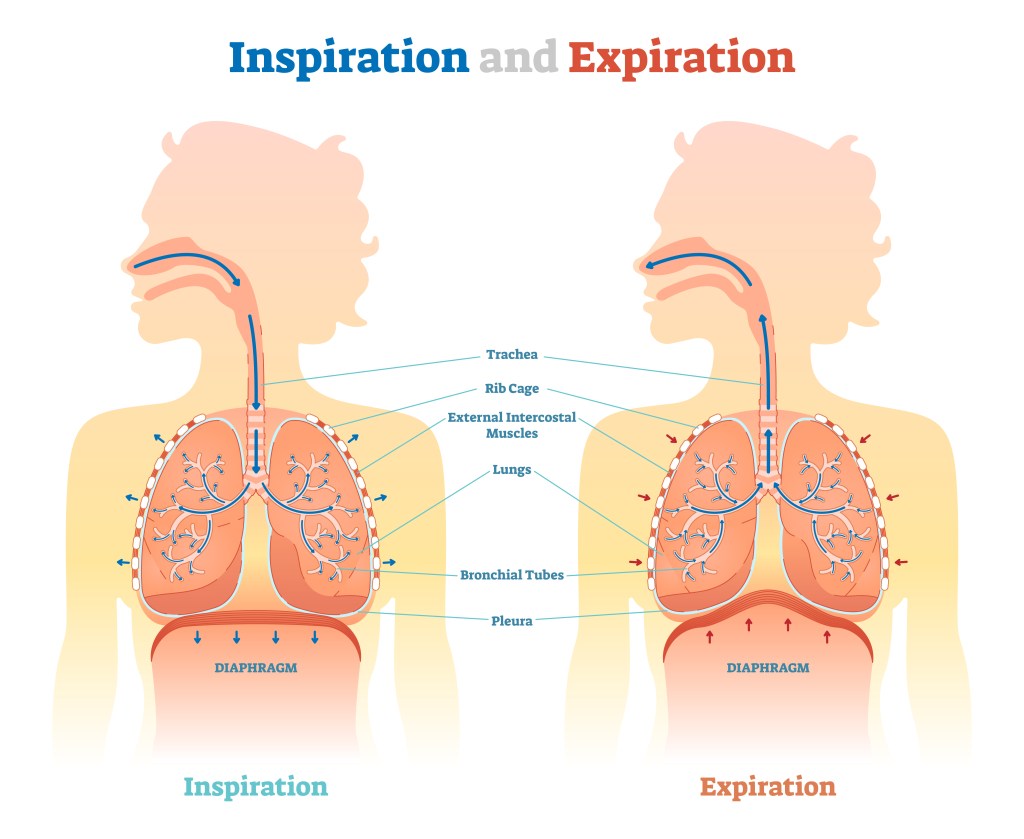
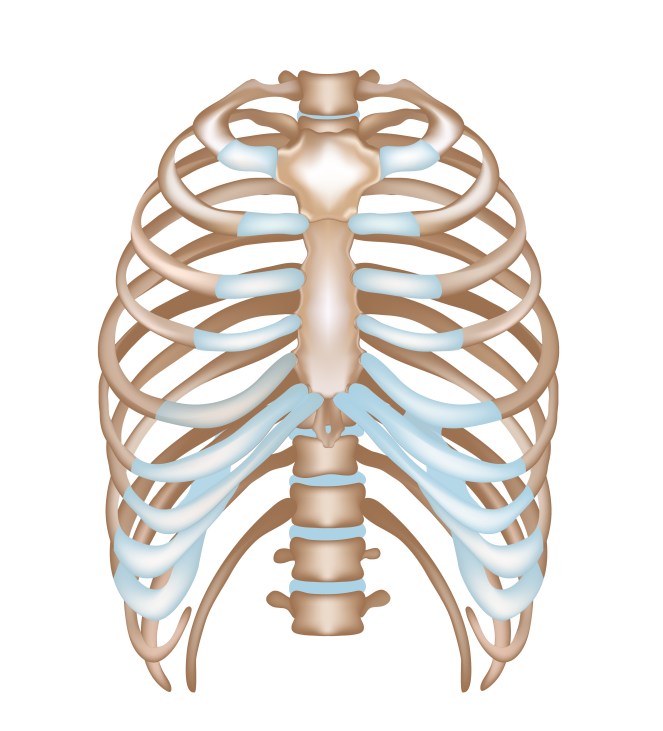
Human Ribs
When bones are examined in an anatomy laboratory or viewed at a museum, A common misconception about bones is that they are formed in a person according to the DNA inherited from their parents, but then the bones do not change. But the bones under our skin are dynamic and alive! They contain blood vessels and nerves. Bones are continuously under remodeling, the process where some bone cells break down and resorb minerals while other bone cells build new bone. Remodeling continues throughout a person’s lifetime and helps bone retain resistance to fracture. The pace and amount of breaking down bone versus rebuilding bone changes over time, and is influenced by exercise, diet, profession, gender, hormones, heredity, and age.
Forensic scientists can identify the age, gender and even the occupation and lifestyle of a person from examining their bones. Wherever stress was applied to their bones, new bone tissue was added because exercise stimulates new bone growth. People who worked in sedentary occupations have lower bone density in the hips than people who worked in manual occupations which required standing, walking, or lifting. A tennis player would have increased bone mass near the elbow joints. And a baseball pitcher would have increased bone mass in the shoulder of the pitching arm.
On the other hand, astronauts living in zero gravity during extended stays in space lose bone density. The astronauts engage in physical exercise for two and a half hours a day, six times a week while they are in orbit to prevent bone loss. Note that the astronaut in the picture is strapped down as she exercises on the treadmill!
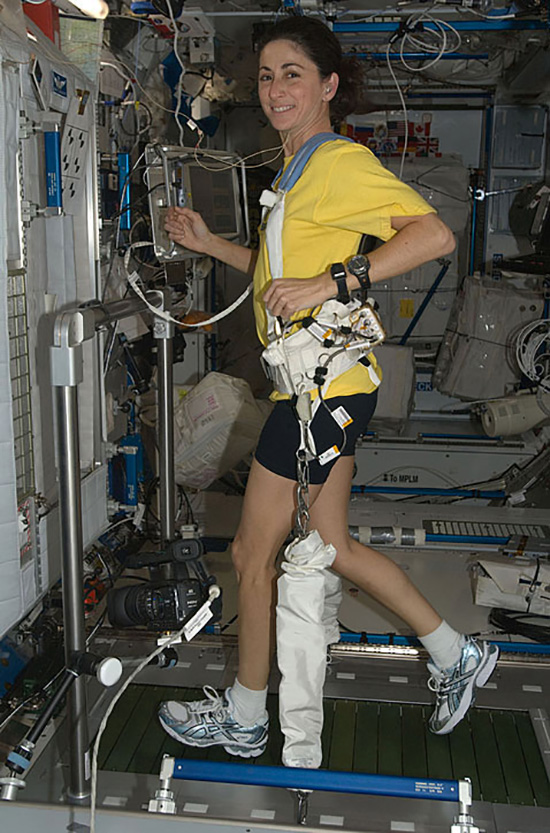
Unlike bone which reaches a place during a person’s lifetime where more bone is resorbed than rebuilt, a person’s life that has firm foundation in relationship with God, daily devotions and reading the Bible becomes stronger with time. Stay in Christian community with other believers. You can persevere through trials because as the Apostle Peter says in 1Peter 5:10, “But after you have suffered for a little while, the God of all grace, who calls you to share his eternal glory in union with Christ, will himself perfect you and give you firmness, strength, and a sure foundation.” (NLT)
https://www.r ocketstem.org/2013/10/03/importance-of-exercise-while-in-orbit/
Photo 3828 / Cicadas © Harvey Wilcox | Dreamstime.com
Photo 219364625 / Cicadas © Brooke Mulholland | Dreamstime.com
Illustration 190967414 / Mandible © VectorMine | Dreamstime.com
Illustration 148009323 / Ear Structure © Tartilastock | Dreamstime.com
Illustration 30503710 / Skeleton © Guniita | Dreamstime.com

 Fearfully and Wonderfully Made