23 Above all else, guard your heart,
for everything you do flows from it.
(Proverbs 4:23, NIV)
Heart occurs over one thousand times in the Bible, making it the most common anthropological term in the Scripture. The heart stands for the inner part of a person and refers to our will, mind, consciousness, emotions and understanding. It also refers to a person’s moral character and determination. Furthermore, the heart is the place of knowledge, memory, and reflection. In the ancient world people believed that the seat of intelligence, emotion and personhood was in the internal organs, particularly the heart, but also the liver, kidneys, and intestines. In modern language people still refer to the heart metaphorically as the seat of emotion. In the ancient world this was not a metaphor, but physiology.1
Cardiovascular diseases are a group of disorders of the heart and blood vessels. Three of these disorders are coronary heart disease, peripheral arterial disease, and stroke. Although these three disorders occur in different locations of the human body, they are all caused by atherosclerosis, commonly referred to as hardening of the arteries. Coronary heart disease occurs in the arteries that supply blood within the heart. Blockages within the coronary arteries starve tissues of blood and oxygen resulting in damage or tissue death from a heart attack. Peripheral arterial disease refers to arteries outside the heart. Peripheral arterial disease most commonly occurs in the legs. Blood rich in oxygen is blocked to tissues in the legs and feet causing swelling, numbness, pain, weakened pulse and sores on the feet that do not heal.
Atherosclerosis is mostly caused by an injury to the arterial wall. Many different factors can injure the artery’s wall, triggering the formation of plaque. Two examples are turbulent blood flow due to high blood pressure, and chemical abnormalities of the blood, such as diabetes and high cholesterol. Chemical signals that are generated because of injury cause white blood cells to attach to the arterial wall, where they collect cholesterol and other fatty material, eventually forming plaque. Over time, the build-up of plaque narrows the space within an artery. The inner walls of the artery become thicker and less elastic, making them prone to injury.
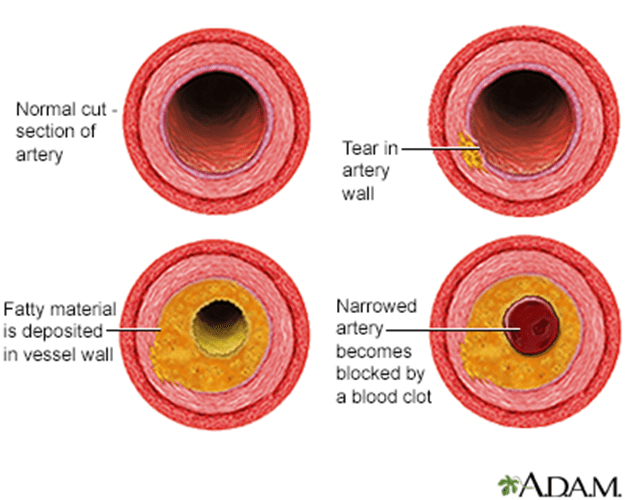
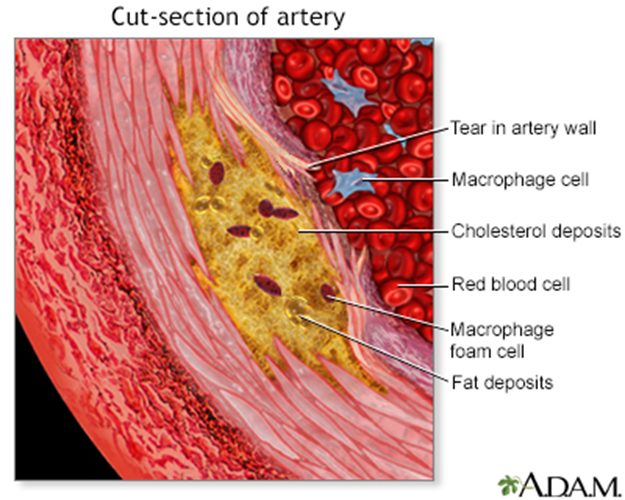
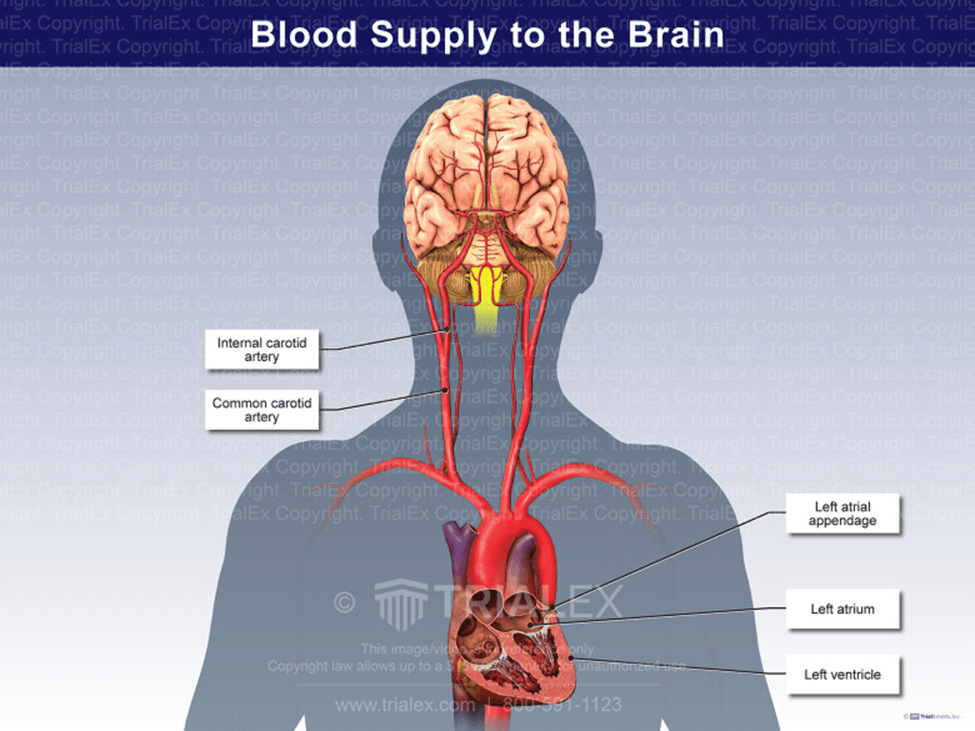
When I read the above Scripture verse, I immediately thought about the third type of disorder in the group of cardiovascular disease, strokes. When atherosclerosis occurs in one or both paired carotid arteries that supply blood to the brain, the inner arterial walls thicken, decreasing blood flow. These blockages starve tissues of blood and oxygen to the brain, or completely block the flow of blood and oxygen to regions of the brain resulting in tissue death from a stroke.
Certain risk factors, such as being a male, advanced age, and a family history of early atherosclerosis, cannot be changed. However, to help prevent atherosclerosis, here are some suggestions given by cardiologists. Refrain from tobacco use, as nicotine increases blood pressure, heart rate, blood flow to the heart and a narrowing of the arteries. These factors contribute to the hardening of the arterial walls and narrowing of the arteries. Secondly, avoid a diet high in low-density lipoprotein cholesterol and high levels of triglycerides. Examples of foods high in LDL cholesterol are red meat and fried foods. Triglycerides are a type of fat found in your blood. When you eat, your body converts any calories it doesn’t need to use right away into triglycerides. The triglycerides are stored in your fat cells.
Choose a diet rich in high-density lipoprotein cholesterol which absorbs cholesterol in the blood and transports it to the liver. The liver then flushes it from the body. Examples of high-density foods are avocados, nuts, oatmeal and fatty fish like tuna and salmon. To avoid high triglyceride levels, limit sugary food and drinks, saturated fats, refined grains, and alcohol.
This discussion brings to my mind another Scripture that plays an important role in my spiritual life. In 1 Corinthians 10:23 the apostle Paul states 23 “I have the right to do anything,” you say—but not everything is beneficial. “I have the right to do anything”—but not everything is constructive. (1 Corinthians 10:23, NIV). I truly believe that what I see and hear affects my thoughts, actions, and words. The Holy Spirit helps me make wise choices that increase the closeness of my personal walk with Jesus. Pray that the Holy Spirit will guide you in your spiritual walk, helping you to make wise choices.
23 Above all else, guard your heart,
for everything you do flows from it.
(Proverbs 4:23, NIV)
By Casting Crowns
https://www.trialexhibitsinc.com/library/library-item/blood-supply-to-the-brain-1
https://www.mountsinai.org/health-library/diseases-conditions/hardening-of-the-arteries
https://www.mountsinai.org/health-library/diseases-conditions/hardening-of-the-arteries
1Walton, John H. The Lost World of Genesis One. InterVarsity Press, 2009.

 Fearfully and Wonderfully Made